

Here is just a real quick video on our last installation. In this particular project multiple elevators were requested. We placed 2 fully installed elevators in about 4 hours.

Amazing!
MEM is the leader in the modular elevator industry with more experience and higher skilled personnel than any other. We provide quality – consistency and simplicity to every job we do. If you contact us you will see the difference we make.
If you want the safer, faster, greener and smarter alternative for you next low or mid-rise project click the button below or contact us.

Construction costs regarding steel and lumber are on the rise nationally. So, many are searching for solutions to the problem and modular is considered a fix to help keep construction costs low despite increases. There are other options to consider of course, but one of the solutions is a modular fix. Read below for a larger list of ways builders can save on resources when the price of materials goes up.
According to the Associated Builders and Contractors analysis of the Bureau of Labor Statistics data they report a 73% price rise (January 2020 to January 2021) for softwood lumber. The increase was 3.2% in the same period for fabricated structural metal and a 15.6 increase in iron and steel. Each source for the data you can find differs but, no one can doubt prices are trending up especially for lumber.

The reasons for the increases are varied, but most of the blame resides with, unsurprisingly, Covid. The virus has had a ripple effect on the entire domestics and global economy with tendrils reaching deep into nearly every market. Covid forced furnaces to go cold in the steel industry and the lumber market to misread demand. Not to mention these industries require a hands on production processes. Human contact in facilities was inevitable. This strained and continues to strain the supply chain. Hence prices trend up.
With increased costs a reality, it the falls on the shoulders of the builders to find alternatives to keep costs low. In seminars, conference calls, articles and meetings leaders in the building industry are in search of ways to absorb or cut costs so the rise in materials will not impact bottom line. Here are just a few the thoughts and ideas getting kicked around:
Literal stick-built projects may need to use another material. There are options that are wide-ranging including the use of metal products. Although there is a rise in metal costs it is no where near the rise in cost of lumber overall. Where steel or metal are traditionally used, alternatives can be found. For instance some in the industry are considering using more TPO (thermoplastic polyolefin) roofing where metal panels were the material of choice just months ago.
Materials are a huge cost no doubt, but there are other methods to cut the cost of a project overall. Going completely modular or purchasing some modular components can shrink the manpower and total time needed onsite. As an example because the modular elevator comes installed in a fabricated hoistway, you can take the shaft out build costs completely. A modular elevator comes with a shaft or hoistway. Talk about savings.
General construction costs are lower as well. Regarding the elevator, the total construction time onsite is reduced. Traditional elevators most commonly install at the end of the building project. It can tack on weeks to months of general construction costs! With modular the set of fully installed elevator is usually first step. It takes less than ONE DAY and start up is completed in less than 1 week. So, you tell me…what are the general construction costs for weeks to months? Modular makes sense to save money.
This one is a bit repetitive but, if the project is finished faster, it is more quickly ready for occupancy. When one hotelier commented to me that going modular put a million dollars in his pocket, he wasn’t exaggerating. Can new building practices get you to reaping ROI rewards quicker?
Many builders are rethinking the time period they allow for a quote to remain valid. It is not unusual, depending on the structure, for a quote or bid to have an expiration of 6 months or more. And when deadlines approach they are often waived. When prices for materials are not stable and bounce (especially in an upward direction), it can leave builders holding the bag. Shortening the shelf life of a quote could allow the builder to be more accurate with estimates, thus saving money.
Now is the time to look at the bids and quotes out there on the table. If you have a quote that has matured, but still valid book it before they change their mind. That means with us at MEM! So, lock in lower prices before the prices are changed in the future. It only makes sense. If you have a project that requires an elevator why put it off for prices to possibly increase? That not only applies to elevators. With broad increases expected, now may be the time to set some plans in stone.
The one thing that is absolutely true about the construction industry is that it is resilient. Builders will always find ways to provide an exceptional product at a fair price. Whether a hotel, housing unit, educational facility or commercial property there are solutions!
The invisible hand of economics demands that even the unseen forces like a deadly virus will not stop the building industry or the economy as a whole. Through individual companies big and small, freedom of production and freedom of consumption, the best interest of the market will be fulfilled. The question is, are you willing to embrace some of the new solutions or opportunities getting bandied about?
If you have a project that needs a faster timeline or you have received a quote from us in the past, now is the time to get the package locked in or get new numbers to consider before prices spike. We all know a conventional elevator slows projects down and creates headaches. They also add unforeseen additional costs that are even more damaging to your projects bottom line. Now with MEM elevators you can lock in certainty and do something about material increases. We are modular elevators taking you to a higher level.

When you get over a couple of stories in a building project a man lift or construction elevator becomes a reality. Numbers bear it out. The need is there due to the cost of having a construction team without one tromping up and down stairs all day. Workers are simply less productive, so although the cost is often hidden in hours lost by using a staircase, it is real and real expensive.
But, then you have the added cost to your project for the temporary elevator, plus availability, the set up and inevitable delays. It seems you are either paying too much for the savings if you get one or you simply don’t have a construction elevator onsite at all because for a low or mid-rise project it seems cost prohibitive. So, here’s the question: Why use a temporary construction elevator at all when a permanent modular elevator could be used instead?
It makes perfect sense. A commercial quality, modular elevator can be placed and turned on when electricity is available at the jobsite. When construction is finished, it becomes the permanent elevator.
Now before I get started, let me say up front that this is not the perfect solution for every job. If your desired use is not a low or mid-rise project it is probably not a good fit. We are simply not the best solution for high-rises.
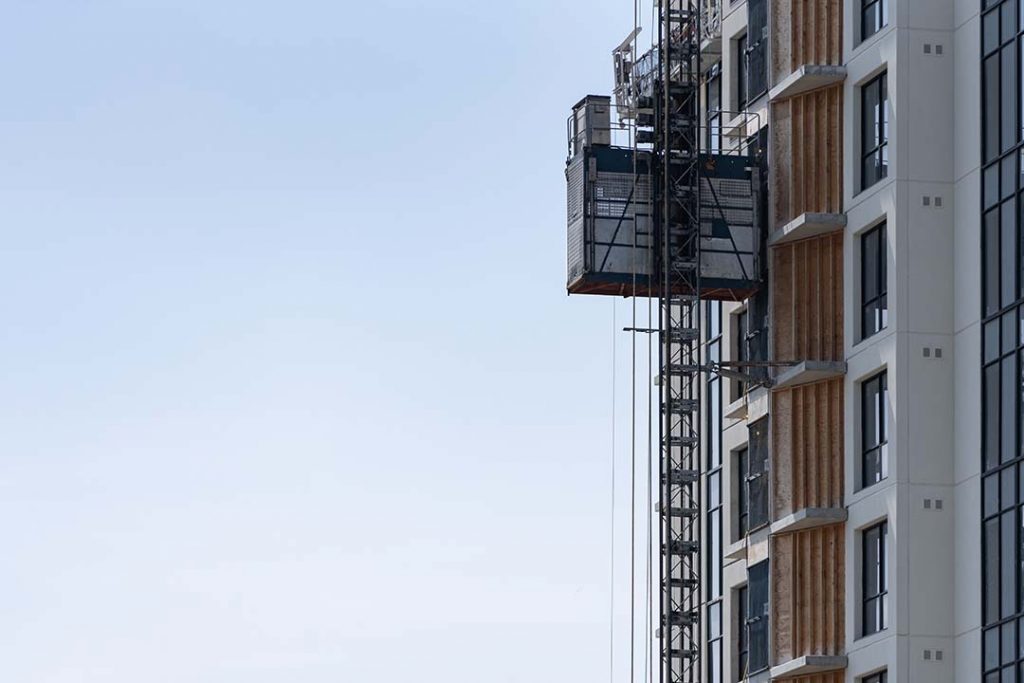
Also, if you are wanting to move tons of palatized materials, likewise we are not a match either. Elevators designed for passenger use usually have a capacity of between 2000lbs and 5000lbs. We, of course, can make elevators that have a huge capacity weight-wise, but the cost would outstrip the benefit once the building is opened.
In addition, passenger elevators are limited in size generally. First, you have the cab size. We can make elevators with a cab big enough for a hospital bed (the only limitation is getting elevators under the overpasses on a flatbed truck). But then you have the door issue as well. Usually, passenger elevators have door openings of 36 or 42 inches, although some can be wider. Keep in mind the door opening does not extend across the entire elevator cab. So, if you want to take items to the top floor larger than the cab or the door opening our elevator is not the best way.
There are plenty of other solutions that do not involve an elevator at all if moving big, heavy items is needed. But in most construction scenarios we are the solution or at least worthy of consideration.
I like to say that this blog is designed to be informational and not just a sales pitch. The above is exhibit A of just that. Shoehorning us into a project where it is not a solution makes no sense and damages our credibility. It also damages the credibility of the modular concept overall. We can think outside of the box, and have even made round pegs fit into square holes (see this corner post project) but, modular is not always the best solution.
However, in the majority of construction projects, at the low and mid-rise level we are the solution. This is especially true if you are looking to cut costs regarding the use of a temporary elevator during the construction phase.
In other words, if moving men, tools and some materials is needed on building site, that role could be filled by the modular elevator quite easily and at minimal additional costs.
So, when you start looking at your construction schedule and logistics think about the elevator first. This is not an earthshattering thought. It is common practice for the hoistway or hoistways to be the first item on the drawing board along with stairs. But, here’s the change… don’t think just hoistway. Think fully installed elevator.
MEM elevators are the hoistways and fully installed elevator. They are a steel shaft wrapped in drywall for fire protection with a complete elevator already inside. The elevator car, rails, wiring, doors and frames are in place when it arrives at the site. In the example video below, that is what you are seeing; a fully installed elevator being set in a building.
Most projects require about 4 hours to get the elevator craned into place.
Then the start up can begin once there is electricity at the building site. Because everything is generally already installed, it takes about a week to get the elevator running. With the inspection, and following the appropriate rules for a construction elevator the modular unit can be used during the building phase.
To make the above possible keep this in mind regarding modular elevators:
Modular elevators (especially from MEM) can help you on the jobsite as both a construction elevator and passenger elevator. It can replace the cost of a construction elevator or it can bring a construction elevator to a job where one was not considered due to cost. It maybe time to consider the benefits of a modular elevator as your construction elevator solution. Click the button below below for a Fast Track quote and to get the process started.
MEM Latest Projects – When we say quality, this is what we are talking about. This project took a simple parking garage build and turned it into a show piece that San Jose State can be proud of. We partnered with two of the best in the business, met their specs and completed a glass elevator, delivered when they wanted it and on budget
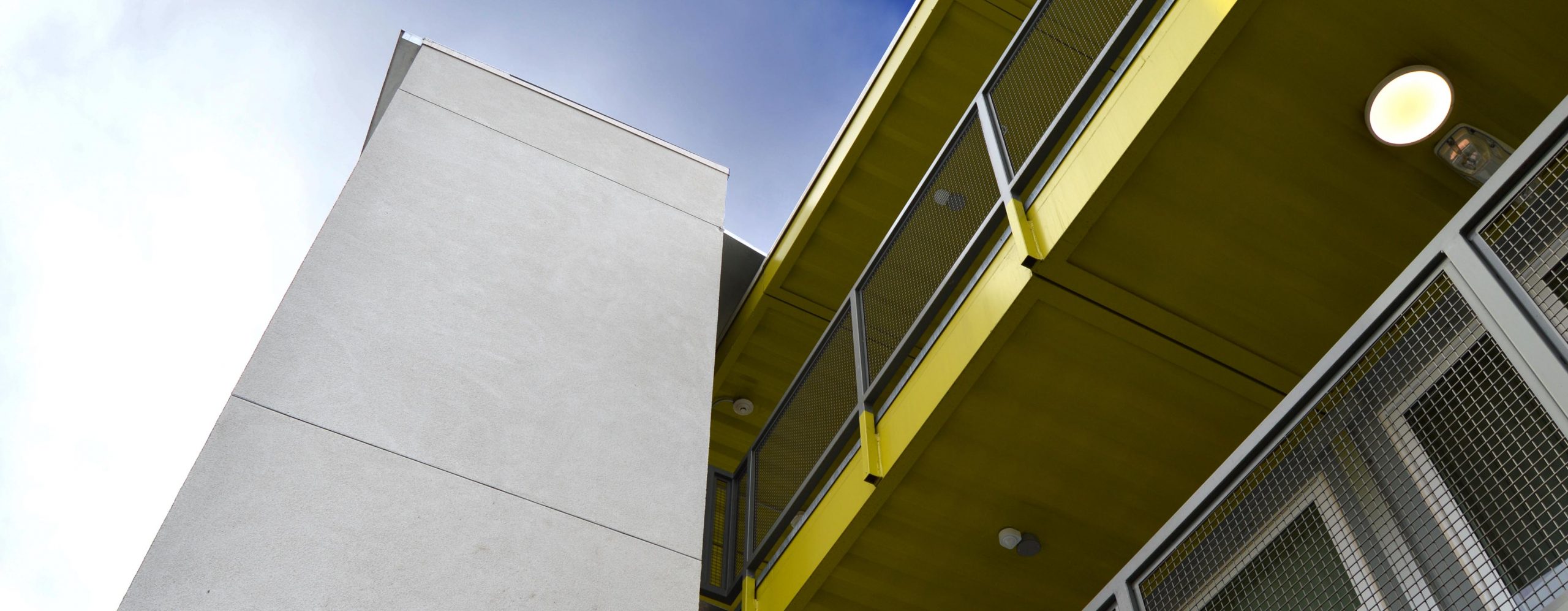
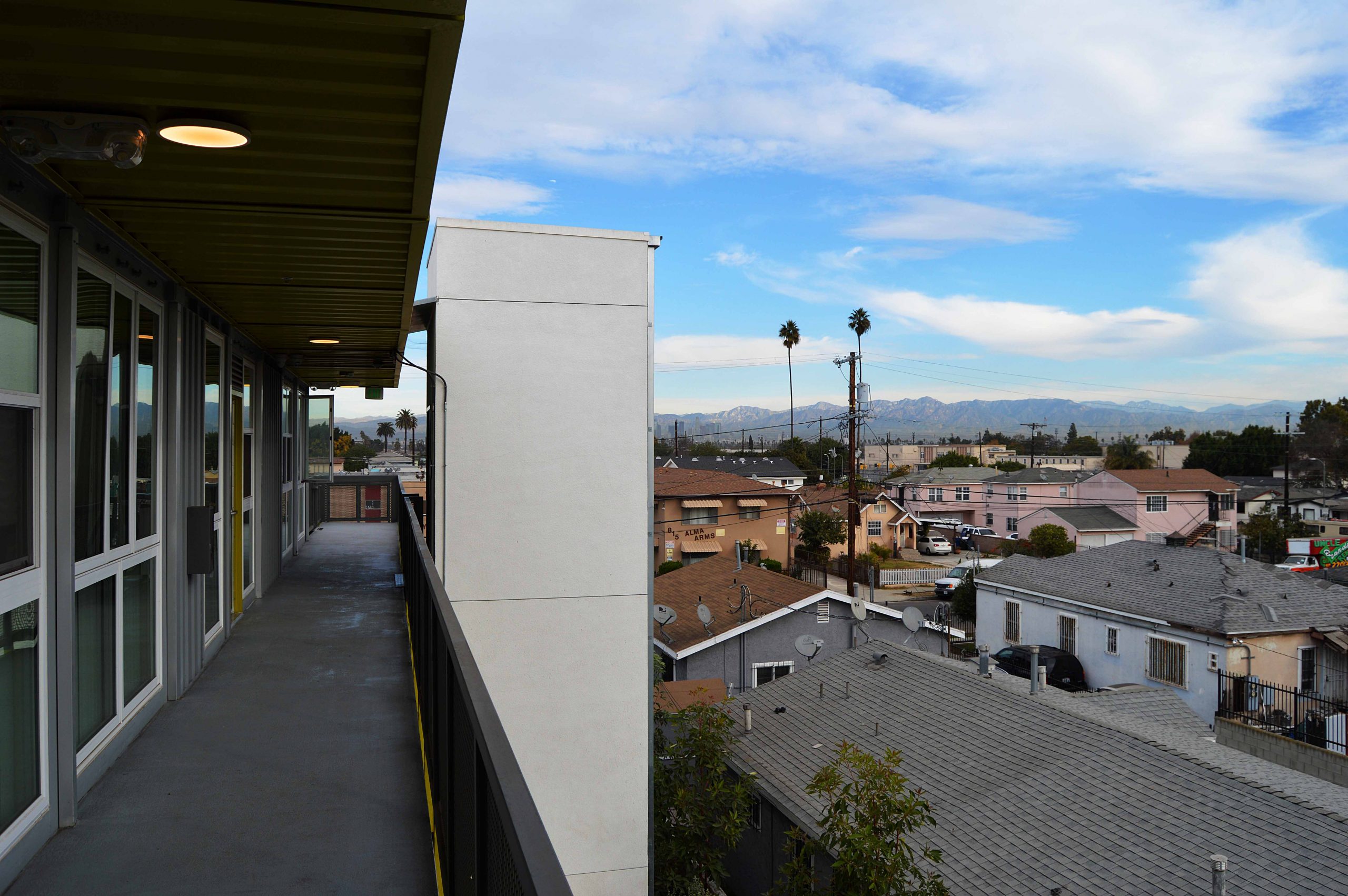
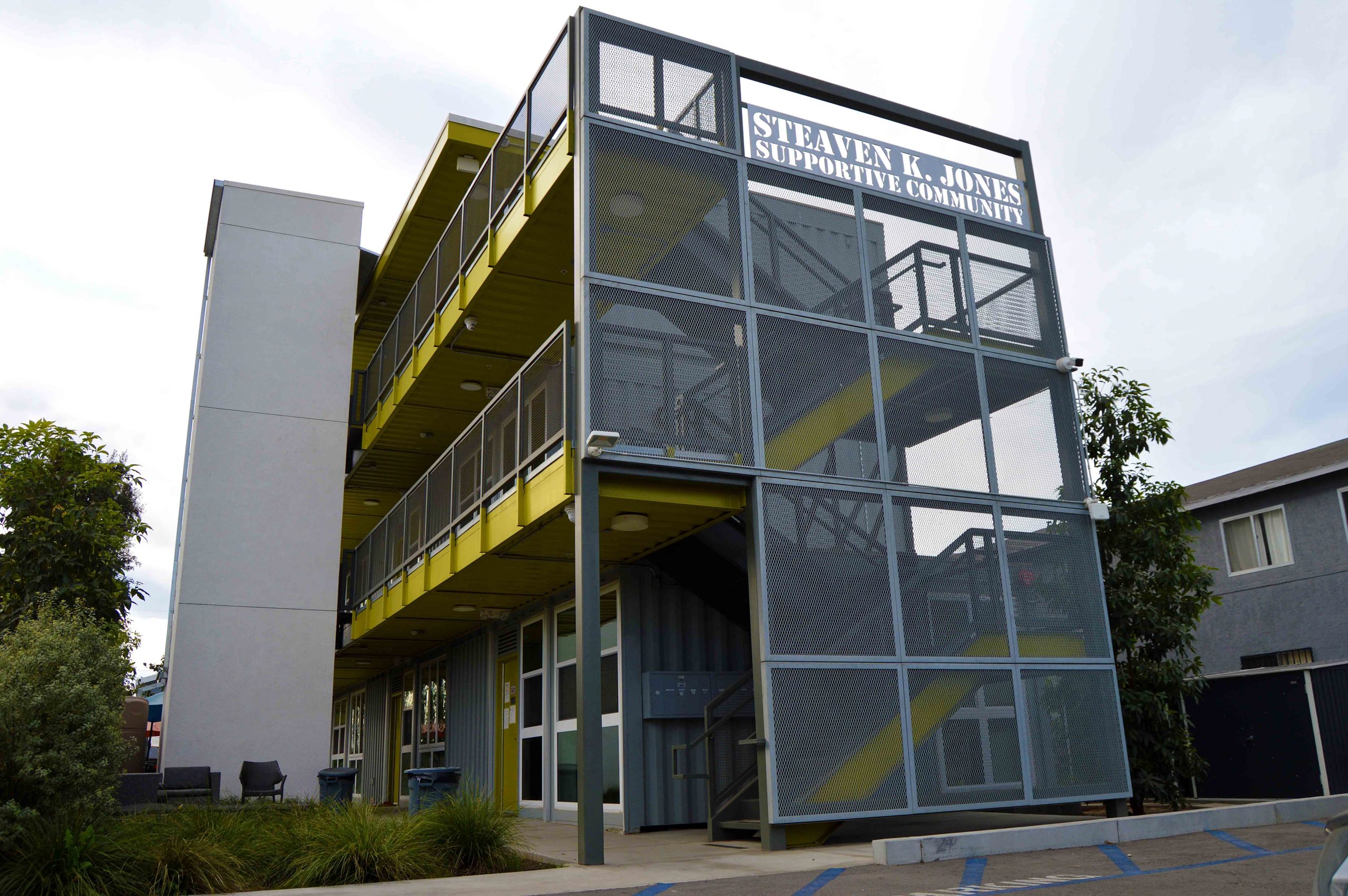
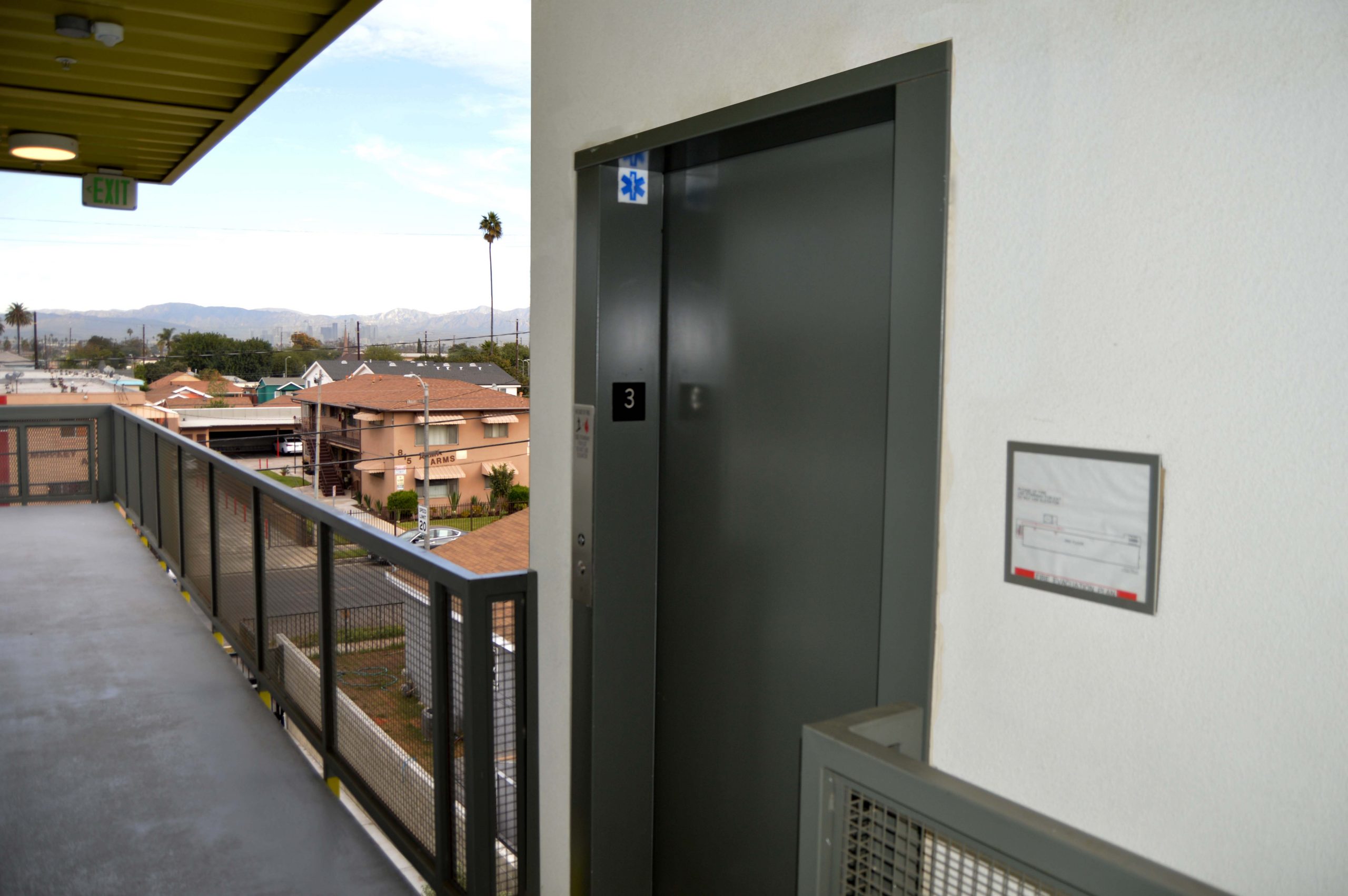
Affordable Housing – Modular Elevator Solution. No one can deny right now there is a problem for urban areas of all sizes and that is affordable housing. According to the most recent stats from “The State of Homelessness in America” a publication of the Council of Economic Advisors, a half-million Americans struggle with housing. 65% of that half-million can be found in homeless shelters while an astonishing 35% or nearly 200,000 are on the streets.
But, I really didn’t need to give you the stats. A stroll down the street in many of our cities reveals the problem without reading a detailed report. Homelessness abounds.
At its core the issue is one of supply and demand. Simply put, there just are not enough residences for a myriad of reasons. As a result the law of supply and demand dictate that many of the homeless are so, because they are priced out of the market. There are just too few housing options. The supply is low – the demand is high and that makes prices likewise high.
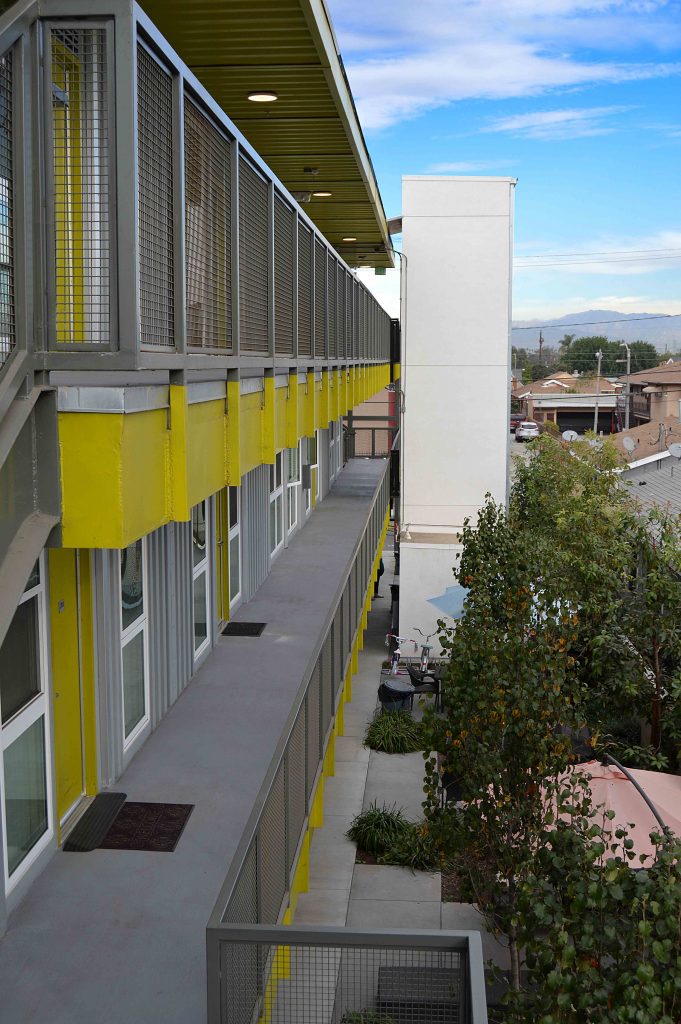
One solution is to reform the laws and codes in local jurisdictions that have helped create the problem. Unsurprisingly, the report lays blame at that door and maybe deservedly so. But, good luck with sweeping legislative change, let alone sweeping change fast.
The current political climate in most urban areas makes wholesale changing of housing laws for the better a pipe dream. With that reality it makes the only other solution increasing the supply of affordable housing. The alternative is turning a blind-eye to the problem or to burry our collective heads in the sand.
If more units are the best solution a couple of hurdles need to be crossed. Both time and space need addressing. I am not taking about Albert Einstein and the theory of relativity. Where (space) the housing units can be placed and how fast (time) they can be erected is the concern. This is an immediate crisis and one that will not go away without action so, the faster new housing can be readied for occupancy, the better.
When it comes to housing where it is placed is always key. I recently toured neighborhoods where two completed affordable housing units where ready for occupancy. During the tour I noticed that surrounding the new modular buildings were rows of houses and small apartment complexes. They lined the street, crammed closely together. The houses were probably built in the 40’s or 50’s and most of the houses were still occupied. Several showed a high level of pride in home ownership. As a result it would be unrealistic to acquire those properties in bulk to create a new, sprawling complex. It would be costly and inefficient.

I did however, notice two or three dilapidated units, usually grouped in clusters. There were no rose bushes or neatly trimmed lawns. Graffiti was more common than a car in the drive. They were obviously abandoned. So more housing could be more easily accomplished to use those small narrow lots, instead of buying and bulldozing dozens. But, solving this problem takes more than just a new house being built in place of the old. Multiple units would have to go in that space. That means building up. In the two units I toured it meant a modular elevator.
The second you say “elevator” in any project that is time sensitive eyes roll. Everyone knows that traditional, old-fashioned elevator installation wrecks the timeline for completion. Tacking an additional 6-months, a year or more to the completion date is not unheard of. So, building an affordable housing unit with a traditional elevator is not addressing the immediate need at all. It certainly doesn’t show the homeless population much compassion for the plight they are in, especially when there are alternatives.
Modular building is a much faster option. In the two examples I visited both were purely modular. However, a modular elevator can be used in any type or building project. Even retrofit applications can have a modular elevator installed.
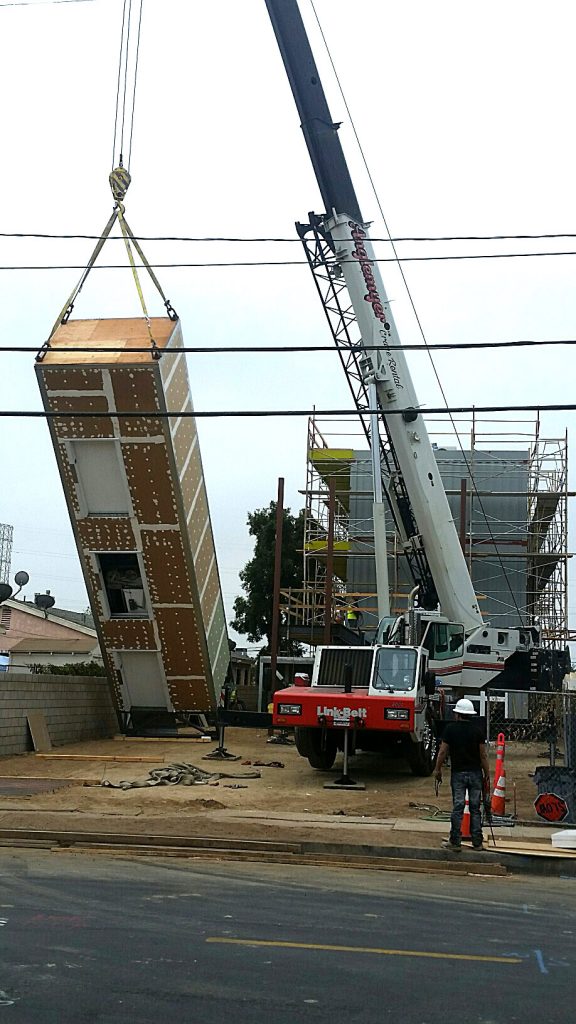
The time savings is because the elevator being built as a completed unit in the factory while the project is still in the process of site prep and permitting. They are then delivered to the jobsite as finished elevators.
Modular elevator units from Modular Elevator Manufacturing can even be used as a construction elevator as they are delivered when you want them.
The elevator is placed in less than four hours and when power is provided they are started up in less than a week. The elevator is removed from the critical path. Problem solved.
Time and space has been inextricably combined by Albert Einstein. His theory linked both into one entity. The same is true with the housing crisis we face.
Time and space are huge obstacles that are linked in the quest for affordable housing. Modular elevators are the solution to addressing both problems at once. The space available means to address the housing crisis we are forced to build up in multi-story units. However, concerns over time constraints and the need to act quickly have dampened the enthusiasm for a multi-story solution. Modular elevators put that solution back on the table. It has worked successfully already in a number of projects we have been a part of.
We are ready to discuss a vertical transportation solution for any low or mid-rise project. Hopefully, we can be a part alleviating the issue of homelessness. Affordable housing is an immediate need and we can be part of the solution. To get the process started just click on the button below. We can provide you with a quote in less than a day.

At Modular Elevator Manufacturing we are fond of saying you get the elevator delivered when you want it. But, exactly how does that work? Obviously, you can’t decide on Friday you want an elevator and one pops up on Monday.
There is a process, however it is not laborious and in comparison to stick-built options. It is significantly easier. But, still there are things that must be done in a certain order for you to get a fully installed, commercial quality elevator set on the day you want.
First, a quick explanation as to how modular saves time and helps you with your project. This will help you see the need for the steps we have put into place. With modular construction overall the key is the period between a project being greenlit and the site prep and foundation work being completed. During that time in traditional construction there is some activity, but most of the work is in a holding pattern.
With modular all of the various components are being built during this time period. So when the cement is dry, the crane arrives and the project get’s its elevator and other modular units if any. Not to confuse matters, but it really doesn’t matter to us when you want the elevator at all. In some projects it goes in first, in others last, some in stages. It all comes down to when it is best for you as long as nothing impedes the crane putting it in place.

So now we get to our process. How does it work for your benefit by taking the elevator off the critical path. I hate to be repetitive but, just to remind you it is a fully installed elevator being delivered (car, rails, wiring, doors, etc. all inside the hoistway). In most cases it will be set in 4 hours or less and then started up when there is power. It has to be adjusted, but all that takes less than a week in most cases. Many people still don’t believe it when the unit arrives on time and completely installed. They are use to the old-fashioned way elevators are cobbled together where deadlines are more like guesses.
There are ten general steps from requesting a Fast Track Number to a fully functioning elevator. Some of the steps literally takes place overnight (like getting you a Fast Track Number). Other steps like the design phase takes a bit longer. We can expedite some of the process as well and there are things you can do to move things along. We will get to that, but first below are the standard steps.
You will notice that it takes 16 weeks to produce a high-quality product. That can be shortened, but not significantly. We produce high-quality elevators and are not a company that will rush things and put the riders at risk. Likewise, we will never compromise on safety on the construction site. Some promise an 8 week elevator, well that can cause disaster.
So to shorten the process the most important thing you can do is to get “Step 3” completed as fast as possible and provide us with a general date you would like to have to the elevator delivered. Completing “Step 3” ensures that the engineering and design will begin and providing a prospective date will allow us to plan and block out manufacturing time for you.
Another thing you can do to keep the timeline short and moving forward is being responsive to requests. Sometimes a project can be delayed for a week or more while we wait for a simple signature.
Lastly, make sure your accounting department knows the process. Sometimes internal processes can slow things down.
Remember, our goal is to get you a fully installed elevator when you want it; not too soon or too late. Communication is crucial. We will be proactive in contact with updates. Also, we understand when the delivery date changes. It is the construction business so things happen and pushing out is a reality. We will remain flexible.
To help stay flexible and informed, your primary contact will be the same person through out the entire process. The person that supplied you with the Fast Track Number will be the same person managing the project every step of the way. They are knowledgeable experts in the industry!
Because we have the most experience in the modular elevator world, we can smooth out and anticipate any problems or issues before they occur. This leads to success of your project as a whole and the elevator portion of the building. We consistently accomplish our goal for our clients of an elevator delivered they want it. We want to do the same for you. Let’s get started with a Fast Track Quote today. Click the button below.

The year 2020 has been a well-deserved punching bag. With the Covid pandemic, governmental mismanagement, the US election, forest fires from California to Australia, riots in American cities, airline crashes, earthquakes, tornados, volcanos, floods and even locust, it will go down as one of the worst years ever in many people’s minds. With bad things occurring in almost biblical proportions how can I blog 2020 Good News?
First, let me say I am purely looking at this from an economic perspective because without a doubt it has been a horrible year for many that have suffered with Covid or have lost loved ones.

And even sticking with just the economics let me acknowledge that for many 2020 has been a devastating mess. Especially in any small to medium sized business that thrives on in-person contact. Masks just don’t work when you are trying to eat out. Then you have all the rule changes about who can go where and do what. I am horrified to think about what the owners and employees of those businesses have been through. Beyond that, what happens if this drags on much longer? We will become a nation of chain restaurants and superstores with jobs permanently lost. The current shuttered stores will just disappear and mom and pop will simply have their hopes and dreams dashed.
However, in the macro 2020 becomes good when you look at humanities collective ability to thrive despite challenging times. Applications for business licenses are up surprising. We are a resilient bunch.
It is also good news if you are in very specific markets. Some have shown surprising growth despite all the bad news of the past twelve months. Who amongst us would not like to turn back the hands of time and buy stock in Netflix, Zoom, Dominoes Pizza or any number of pharmaceutical companies. They are unapologetic winners. This past year has not been bad for many with often the opposite being true.
Modular Elevator Manufacturing thankfully falls into the category of 2020 winners despite the challenges. It begins with the fact that most building and manufacturing was considered essential when others were forced to shutdown. And then generally the entire modular industry is on a continued, decades long upswing. As stated in the recent 2020 Smart Market Report for Prefabrication and Modular Construction by Dodge Data and Analytics:
Prefabrication and modular construction are both experiencing a significant expansion of interest and use as the construction industry seeks to improve safety, productivity, quality, cost, schedule and sustainability performances while continuing to face workforce shortages, cost uncertainties and other challenges.
Stephen A. Jones – Senior Director Industry Insights Research/Dodge Date and Analytics
We at MEM can anecdotally confirm the data put forth by the experts. There was a “significant expansion of interest and use”. In the year 2020 Modular Elevator Manufacturing doubled (yes doubled) sales and production. Vice President of Sales and Marketing, Hugo Beltran is proud of the accomplishment. He said, “The 2020 results are astounding and as a result we’ve had to double the factory space and output capacity. And amazingly we are projecting another doubling for 2021 based on projects already in our pipeline.” 2020 good news!
Although, Beltran would like to take credit for all the growth, he recognizes there is more at play. His team was crucial to success, but there was more. He said, “The construction industry is looking for real solutions to real problems.” And “There are economic and market fundamentals assisting us as the modular industry addresses those problems. So hard work by the MEM employees and the needs of the construction sector are pushing us forward in hitting all-time highs.”
Those needs as echoed in the Dodge report are: cost predictability, improved quality, improved safety, increased schedule certainty, and reduced waste. MEM is simply taking advantage of the opportunity by providing real solutions to longstanding problems in construction. But meeting needs must be more than marketing gimmicks or props in a storefront window or the growth will not accompany the construction market move to modular solutions.
That is why in the modular elevator segment, some flourish and prosper like MEM, while others struggle. While some have to explain away shoddy work and poor engineering. MEM demonstrates what decades of experience can provide with superior service, workmanship and engineering. It is why some struggle with growth despite a market that is booming. While at the same time MEM discusses a Midwestern facility to meet national sales demand. MEM can say 2020 good news (at least in some respects), others are just glad to see it go.
Hopefully for all 2021 will mean a return to more prosperous times and not just some segments. But one thing for certain, if predictions are anywhere close to correct and the market continues to embrace modular solutions in construction, MEM will be a leader in the elevator industry with more growth yet to come.
If you want to be a part of the solutions provided by the modular industry we are willing to help. We will answer any of your questions and provide a Fast Track quote. If you have a low or mid-rise project just contact us. Click the button below and fill out the information. A quote will be prepared and sent to you within 24 hours.

Elevator secrets mean more than you think, if you are in the process of buying an elevator for a building project. You need help! But despite pushing the help button none is to be found because there are dozens of dirty little elevator secrets the major elevator companies don’t want you to know about.
That should be no surprise, after all the elevator industry is more cloaked in darkness than the Illuminati or the New World Order. They tend to hide what they do and lurk in the fog regarding important items like: costs, timelines and motives. So, in this blog post I will shine some light on just two of the biggest elevator secrets. You will also be given tips on how to shed some much needed light yourself on an industry that desperately needs it.
But first, why do they hide the information? Let me tell you, it is not an evil plot devised by a cat stroking Bond villain. It is a more mundane motive. Money. If you, the consumer, are not given clear factual information, the likelihood is you will make poor decisions regarding vertical transportation. Also, you will become more reliant on the elevator company itself for the limited facts that are available. So your decisions will be made with few and skewed facts and that will ensure you bleed money and they get richer. The result is overall lifetime cost of an elevator becomes much higher than advertised. So let’s get started with just two elevator secrets.
The first of many elevator secrets is the real profit for the major elevator companies is based on keeping you under their thumb regarding a maintenance contract. Otis in a recent SEC filings said, “New Equipment and Service, which, for the year ended December 31, 2019, contributed 43 percent and 57 percent of our net sales, and 20 percent and 80 percent of our total segment operating profit, respectively.”
Did you get that? That means is that new equipment or elevator sales while important is no where near as profitable as the maintenance. And to keep the money rolling in, unknowing customers are being pushed into making decisions that increases the profit of the elevator company through the maintenance contract not the elevator itself. How do they do this?
The vast majority of people that ride in an elevator don’t give it a second thought. The doors opens, they walk in, push a button and go up. They do not care about the mechanical means of conveyance at all. But, selling up to a different type of elevator conveyance can make a bigger profit for elevator companies through the maintenance agreement. So…they push specific elevator types that increase the maintenance contract price. This is despite most riders or building owners not caring a wit about how they get from point A to point B.
So, when I personally speak to people that are being oversold on the type of conveyance it makes me a little steamed. Let me be blunt. If you are being sold a traction elevator (the kind with ropes) for a low-rise application you are most likely being oversold and more than likely being taken advantage of.

Why? Because the long-term maintenance contract for a 3-stop hydraulic elevator is around $200 per month (depending on where and other factors). For a 3-stop traction it can be $600 or more per month (depending on where and other factors). Need more convincing? Do the math. The lifespan of a typical elevator is 20 years (240 months). With hydraulic maintenance cost around $200 a month, that is $48,000 over the lifespan of the elevator. A traction elevator on the other hand, at $600 a month is approximately $144,000 over the lifetime.
Now you know why they upsell unwitting customers on traction when often it is not needed. They will even discount the initial sales price on traction units to make less upfront as a way to garner longer, more profitable returns. A real quick note, hydraulic elevators are not inferior just less expensive to maintain. Also, this is not a screed against traction units. Sometimes they are needed. We just honestly assess your project and make recommendations rather than selling you up to something you don’t need.
But that is not the end of the elevator secrets and profit motives. When the light bulb goes off and you realize you have been duped into overpaying and try to get out of the contract so you can competitively shop it, you can’t. That is because part of that cheap up front price usually includes proprietary parts in the elevator system. In simple terms, proprietary parts makes it impossible for anyone (other than the elevator company you bought it from) to maintain it. You are stuck. The elevator with proprietary parts requires special tools programmed for your specific elevator. There is no advantage to these tools at all they are just the keys to a prison you cannot escape from.
There are also lots of other contractual tricks of the trade to keep you locked in as well; like auto-renewals. Auto renewals are common place with almost everything now-a-days. Phone service to online entertainment auto-renews all the time. But elevator maintenance contracts often auto-renew with an annual increase built in and if you miss the tiny renewal window, you can’t get out. The contracts are often multi-year (usually 5 years) and are very lopsided in exclusions and other factors.
The second of the dirty little elevator secrets is the major elevator companies don’t really manufacture elevators at all, at least not in the way we generally think of manufacturing. They do produce some components, but in real terms they are bundlers of other companies parts and pieces. They crate them, ship them and screw them together on site, but the elevator is not manufactured at all, and the parts they actually make are limited. Believe it or not elevator companies have admitted that the real “manufacturing” takes place at the jobsite.
Think about it this way, if General Motors only crated up parts and dropped them off at your front door, you would not consider them to be a manufacturer. That would be a preposterous notion. Then in cold or heat, rain or snow, a mechanic would meander to your house at their leisure and cobble all those parts together in a process that takes months in your driveway. You would laugh out loud if cars were “manufactured” that way. Yet that is what is done regarding elevators.
This truth reveals a couple of realities. The elevators they sell are screwed together with very little supervision, inspection or quality control in dark and cramped environs and in all sorts of challenging conditions. Also, the safety and quality of the elevators rests in a single inspection at the end of the process when they are either given a green light or a punch list of code violations to fix. If that one inspector, in one visit misses something, they just do. Also, the code inspector is not necessarily looking for fit and finish, just functionality and code compliance.
Because traditional elevator companies just really gather elevator components from others, then anyone can buy those components and provide a better, truly manufactured solution. That’s what happens with a modular elevator. We purchase the same or comparable parts, and actually manufacture an elevator in a factory. It is much faster, greener and safer.

Inside a modular unit you will find the same parts because there are precious few elevator component producers. Where different parts are used, due to the level of regulation in the elevator industry, they are all high-quality. All must pass muster of regulating agencies and the elevator code. We just produce the product in a much better and smarter way.
What ultimately makes the difference is that modular elevators are actually manufactured in an assembly process. They are not pieced together in less than optimal working conditions. Imagine that! They are inspected daily for fit and finish. They are always plumb and square because checking quality is as easy as walking the factory floor. The units are produced horizontally so inspections are routine and daily.
Also, because it is manufactured you decide when it arrives. It is then shipped and is placed on-site. This ends workplace interruptions and the elevator is no longer holding up other’s work. They free up work space and the elevator is off the project’s critical path.
The set is less than a half a day. The startup less than a week. And get this, the elevator can be used for construction in some cases! A better elevator because the process is better. Same quality components, manufactured smarter.
Below is an honest list of things to look out for on your next elevator purchase. However, it is a bit self-serving. We feel MEM is the best alternative for quality, safety and cost-effective vertical transportation. However, your decision must be made based on facts and below are some to consider. So, look over this info to avoid some of the dirty little elevator secrets and feel free to challenge us with questions about our process and products:
Finally, consult, challenge and discuss. Biased? We are. But not regarding the conveyance type. We will be honest and fair. On our factory floor you will find hydraulic elevators and even roped hydraulic units as well to meet your needs. Our bias is based upon modular being a better way to produce elevators, not the elevator itself. We will recommend what you need and price anything else you want or have speced in.
If you are curious and would like more information just click the button below. In 24 hours we can produce a thumbnail price for any project. Remember with us there are no secrets! Just straight forward talk from people that care about you and your project that are highly experienced in the elevator industry.

Perfection is a word that is not used very often. And it is also almost never used in the construction industry. But, there is such a thing as perfection even in the building trades and it is more common than you think. Its just not common with a traditional elevator installation. With MEM elevators however, perfection comes easy and it is a good thing it does.
Maybe we think of perfection being so rare because when the word is used in everyday conversation it is often associate with singular events or rarity at an extreme level. Think about a perfect game in baseball. In nearly 220,000 games played in Major League history, there have only been 23 official perfect games pitched and no hurler has thrown more than one.
No one claims to have ever had a perfect golf score…it would be 18 for a single round. Instead we measure ourselves against par. Even past North Korean leader Kim Jong-Il could only muster a score of 38 with 11 holes-in-one in his fabled round. Pretty good for the first time on a golf course, but still no where near perfection. Although if prevarication were a sport, Kim would at least come home with a medal.
Speaking of medals, in gymnastics perfection was so rare that when Romanian, Nadia Comaneci reached perfection in the 1976 Montreal – Summer Olympic games, there weren’t enough digits prior to the decimal point on the scoreboard. To the confusion of the crowd, after a seamless performance the score was shown as a paltry “1.00” instead of the ten she had earned.
But, astoundingly at Modular Elevator Manufacturing (MEM) perfection is commonplace, especially when it comes to the hoistway. So here’s why that accomplishment is so important and the how we daily accomplish such a seemingly rare feat; the feat of perfection.
A hoistway, otherwise known as an elevator shaft is the backbone of the elevator system. It must be perfectly plumb and level. Just like in human anatomy where everything hangs from the backbone, so too do many of the elevator components hang from the shaft.
Like the old song “The head bone’s connect to the neck bone.” etc. The elevator rails are connected to the walls of the shaft. On those rails the elevator car rides. How plumb, level, stable and sturdy that shaft is often determines how smooth and quiet the elevator car will go up and down.
If you have ever been in an elevator car that rumbles, or rattles it may be that the backbone (hoistway) is out of alignment. That can shorten the life of the elevator system and drive the passengers riding in it a bit crazy.
In simple terms, the reason for the rattling in traditional elevators is often that clips are attached to the inner hoistway wall and on those clips the rails are attached. The worse the alignment of the hoistway the more adjustment is needed. And the longer and more effort it takes to get the rails set right. If the hoistway is out of plumb or worse yet twisted even slightly, additional strain can be created on the rails and then on the clips. That can force the mechanism to be pulled loose as the elevator is used over time.
With a modular elevator the shaft is so plumb and level that the clips are not simply attached, but spot welded onto the frame of the hoistway and then bolted. They are adjustable, but aren’t going anywhere and there is no need for them to move. They can be welded because the hoistway is perfect every time. That means that modular (as usual) outperforms traditional.
First, to understand how perfection is possible it maybe helpful to know why traditional elevator hoistways are so often out of whack.
With the old way of putting in an elevator (and we have all seen this on a construction site) the elevator hoistway is one of the very first things that goes up. If it is cold, wet or snowy the elevator hoistway can heave and shift. One builder in Canada got tired of seeing shafts having to be redone because of heaving and the expense of hoarding heat while the hoistway cured. So he wisely opted for modular.

The opposite is true as well. If the temperatures are over 100 degrees special care and extra-effort must be made to keep the mortar hydrated with block construction. Failure to do so can “affect normal strength development of mortar, leading to a reduction in strength.” – cement.org. That’s a scary thought.
Extreme heat and cold say nothing about the poor folks laying all that block or pouring cement. They work in any number of foul weather conditions. And as we all know in less than optimal weather, work quality can diminish. In addition when it comes to the traditional hoistways work is done at heights on scaffolding. The human element cannot be ignored.
The hoistway tends to shift, twist or lean ever so slightly.

With a modular elevator or modular shaft or hoistway weather is never a problem. The entire hoistway is built inside a factory. The hoistways are made of tough construction-grade steel, laid out on jigs and are then welded together. There is no working at heights as the shaft is simply rotated as needed.
They are laid out horizontally in fifty foot sections or shorter depending on the project. If a hoistway over 50′ is needed the sections are laid out together to insure they are plumb and straight. Connecting plates are added at the joints for perfect fit every time.
Next metal c-studs and additional bracing is attached followed by the exterior sheathing. Usually a mold resistant drywall is used for either one or two hours of fire protection. The hatches get elevator doors next, then the rails go in. They are then aligned and welded to the interior and then the interior walls are finished out.
Perfection.
This perfect hoistway makes a solid, stable, plumb and level backbone for the elevator system. It ensures a great elevator every time. You will never get that promise from any GC or elevator company regarding the hoistway they build on-site. If this process intrigues you in the least and you have a project in mind just click the button. We can send you a quote in 24 hours. Or contact us at MEM where we produce elevators taking you to a higher level.


At Modular Elevator Manufacturing we want to thank you on this Thanksgiving Day!
This has been a tough year in a number of ways, however we have continued to grow and expand. We realize that our growth comes from a dedicated team of professionals that manufacture, install and sell our elevators. Thank you to all the employees!
But, just as importantly we want to take this time of Thanksgiving and show our appreciation and heart felt thanks to our loyal partners.
We give thanks that together we make MEM a wonderful solution and a wonderful company.
Thank you!

